Source Whitening Moisturizing Solid Body Soap for Body, Face, and Hand
Find 30 whitening moisturizing solid body soap options from Chinese manufacturers. Compare OEM customization, net weights, and ingredient profiles for all skin types. Source reliable suppliers for private label beauty and hygiene products today; compare the available evidence and request quotations based on your requirements.
Key considerations
Products List


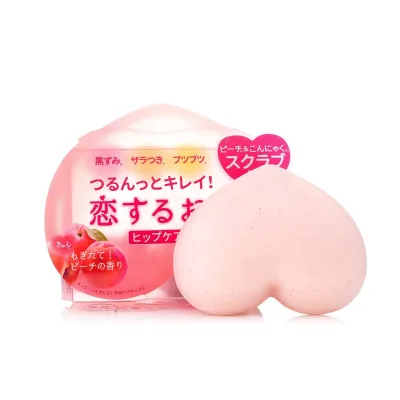


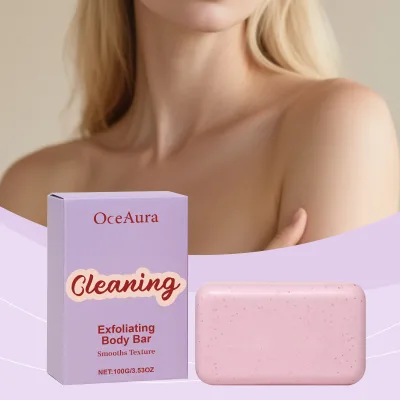

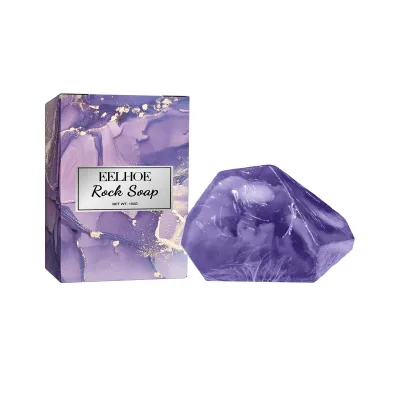





Comprehensive Sourcing Guide
Whitening Moisturizing Solid Body Soap Sourcing Guide
Sourcing this category requires distinguishing between general toilet soaps and specialized formulations designed for skin lightening and hydration. The observed market data indicates a strong presence of OEM products with specific claims regarding melanin removal and whitening, often paired with moisturizing ingredients like herbal extracts or chemical agents. Buyers must carefully evaluate whether the supplier's "whitening" claims are supported by the specific ingredient list, such as herbal or chemical components, rather than relying solely on marketing terminology.
Procurement decisions should also account for the diverse product forms available, ranging from standard solid bars to handmade variants with specific shapes like rectangles. The observed listings show a clear segmentation between basic cleaning soaps and those targeting specific skin types, including normal skin or all skin types. A buyer must verify if the product's intended application covers the face, body, and hands, as some listings restrict usage to the body only, which significantly impacts the target market and regulatory requirements for the destination country.
Product Scope and Observed Listing Signals
The product scope for whitening moisturizing solid body soap is defined by a combination of functional attributes and customizable physical characteristics. Listings frequently highlight features such as basic cleaning, whitening, and moisturizing, with specific mentions of removing melanin to achieve skin lightening. The solid form is consistent across the majority of observations, with colors ranging from white and pink to dark green, often allowing for customized branding and packaging to meet specific retailer requirements.
Buyers should note the variability in product models and origins, with suppliers located in regions like Jiangsu and Guangdong in China offering different specifications. The observed data includes specific model numbers such as Cc-09-1 and HXN-6117, alongside variations in net weight that can be customized or fixed at standard sizes like 80g or 100g. This diversity suggests that a single supplier may offer a broad portfolio, requiring the buyer to clearly define whether they need a generic toilet soap or a specialized peach-scented, handmade whitening bar with specific functional claims.
Technical Specifications to Verify
Technical verification must begin with the ingredient composition, as the listings explicitly mention both chemical and herbal ingredients for whitening and moisturizing effects. Buyers need to confirm the exact nature of these agents to ensure they align with the regulatory standards of the target market, particularly regarding the safety of melanin-removing compounds. The distinction between "medicated" and "non-medicated" is critical, as the observed data indicates a prevalence of non-medicated soaps, which may face different regulatory hurdles compared to products claiming therapeutic benefits.
Physical specifications such as shelf life, transparency, and shape are equally important for inventory and quality planning. The observed shelf life is consistently listed as three years, providing a stable timeline for stock rotation, while the product is noted as non-transparent and typically rectangular in shape. Buyers should verify the single package size and whether the product is handmade, as this can influence the perceived value and production consistency. Confirming that the application covers the intended areas, such as the body or face, ensures the product meets the functional requirements of the end consumer.
Compliance and Safety Documentation
Compliance verification for whitening soaps requires a rigorous review of safety documentation, particularly regarding the chemical agents used for skin lightening. While the provided data mentions standard specifications, buyers must independently verify that the supplier adheres to international safety standards like ISO 22716 for cosmetic good manufacturing practices, even if not explicitly listed in every product description. The absence of specific certification data in the raw observations necessitates a proactive request for test reports confirming the safety of the whitening ingredients and the absence of prohibited substances.
Documentation should also address the product's classification as a cosmetic or a general cleaning agent, which dictates the required labeling and registration processes. Buyers must ensure that the supplier provides evidence of compliance with local regulations regarding the "whitening" claim, as this is a highly scrutinized attribute in many markets. The presence of a three-year shelf life claim should be backed by stability testing data to validate that the product remains safe and effective throughout its intended lifespan without degradation of the active whitening or moisturizing components.
Cost Drivers and Commercial Terms
Cost drivers in this category are heavily influenced by the level of customization required, including private labeling, specific scents like peach, and unique shapes or colors. The observed MOQ range spans from 1 to 50,000 units, indicating that suppliers cater to both small trial orders and large-scale distribution needs. Buyers should anticipate that customized packaging, logo printing, and specific ingredient formulations will increase the unit cost compared to standard, off-the-shelf toilet soaps with generic white or pink coloring.
Commercial terms must be negotiated with attention to the service model, as many suppliers offer OEM and ODM capabilities alongside private label services. The price range observed is broad, reflecting the difference between basic cleaning bars and specialized whitening products with added moisturizing benefits. Buyers should clarify whether the quoted price includes the cost of custom molds for specific shapes or if the standard rectangular form is the only option for lower volume orders. Understanding the lead times associated with customized production versus standard stock items is essential for maintaining an efficient supply chain.
Supplier Qualification and Quality Control
Supplier qualification should focus on their ability to maintain consistent quality across different product models and customization requests. The observed data shows multiple model numbers and varying origins, suggesting that buyers must verify the specific factory location and production capacity for the chosen model. It is crucial to confirm that the supplier has a robust quality control system in place to ensure that the "whitening" and "moisturizing" claims are consistently met across every batch, especially when dealing with chemical or herbal ingredients that can vary in potency.
Quality control protocols must include regular testing for the product's physical attributes, such as hardness, solubility, and color consistency, which are critical for consumer satisfaction. Buyers should request samples to verify the texture and scent, ensuring that the handmade or standard production methods yield a product that feels appropriate for the intended skin type. Additionally, verifying the supplier's ability to handle the "Standard Packaging or Customized" options without compromising the product integrity is vital for maintaining brand reputation and meeting retailer expectations.
Long-Term Procurement Checks
Long-term procurement success depends on establishing a reliable supply chain that can adapt to changing market demands and regulatory landscapes. Buyers should implement a schedule for periodic re-verification of ingredient safety and compliance, particularly as regulations regarding skin-lightening agents evolve. The three-year shelf life observed provides a buffer, but regular quality audits are necessary to ensure that the product does not degrade or lose efficacy over time, especially when stored under varying conditions.
Building a strategic partnership with the supplier is essential for securing favorable terms and priority production during high-demand periods. Buyers should maintain open communication regarding future product developments, such as new scents or enhanced moisturizing formulas, to stay competitive in the market. Regular performance reviews based on delivery times, defect rates, and responsiveness to customization requests will help identify any potential risks in the supply chain and ensure that the procurement strategy remains aligned with the company's long-term growth objectives.
FAQs
Can OEM toilet bar soap be customized for private labeling?
Yes, OEM toilet bar soap supports full customization including customer logo printing and private label services. Buyers can select from standard or customized packaging options and choose specific colors like white, pink, green, or other custom shades. This flexibility allows brands to create unique products tailored to their market identity and aesthetic preferences.
What skin types are suitable for using whitening moisturizing solid body soap?
This solid body soap is formulated for all skin types, including normal skin. It offers basic cleaning, whitening, and moisturizing functions to hydrate and cleanse the body, face, and hands. The non-medicated formula ensures gentle care while removing melanin and promoting skin lightening, making it a versatile choice for daily personal hygiene routines.
What is the shelf life of the OEM toilet bar soap?
The shelf life of the OEM toilet bar soap is three years. This duration ensures product stability and quality retention from manufacturing until use. Buyers should store the solid bars in a cool, dry place to maintain their integrity. The long shelf life supports inventory management and reduces waste for distributors and retailers.
Which specifications are available for the solid body soap models?
Available specifications include models such as Cc-09-1, Cc-07-1, SP-11, SP-53, Cc-21-1, SP-13, and HXN-6117. Weights can be customized, with options like 100g or 120g. The soap is solid, non-transparent, and available in various colors. These specifications allow buyers to select the exact product format that fits their operational needs.
Where is the origin of the whitening moisturizing solid body soap?
The origin of the whitening moisturizing solid body soap is Jiangsu and Guangdong, China. These regions are known for their manufacturing capabilities in personal care products. Buyers can source from factories in these locations to benefit from established supply chains and production expertise. The products are exported globally with standard or customized specifications.
What ingredients are used in the peach buttock handmade whitening soap?
The peach buttock handmade whitening soap uses herbal ingredients alongside chemical components for effective cleaning and whitening. It features a peach fragrance and is shaped as a rectangle. This combination of herbal and chemical elements aims to provide moisturizing and hydrating benefits while targeting skin lightening. The handmade process ensures a unique texture and quality for end users.